
The Digital Canary: Arthur Firstenberg's Legacy of Electromagnetic Awareness
Tribute to Arthur Firstenberg Electromagnetic Awareness Pioneer
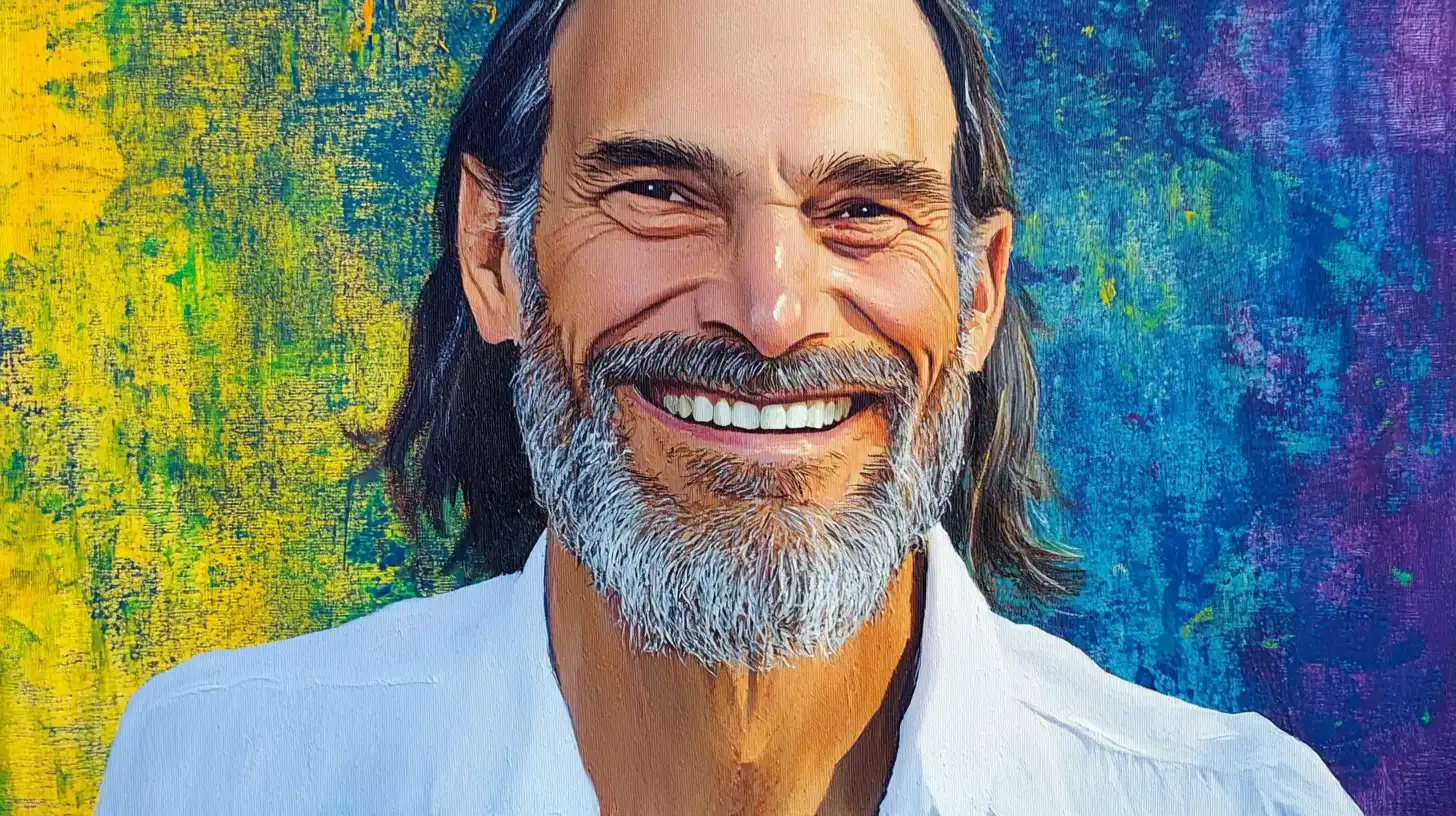
The Passing of an Electromagnetic Pollution Pioneer
Arthur Firstenberg, a pioneering advocate and researcher who dedicated his life to raising awareness about the potential dangers of electromagnetic fields (EMFs), has left behind a controversial yet impactful legacy. As the author of “The Invisible Rainbow,” Firstenberg meticulously documented what he perceived as the historical relationship between electrical technology implementation and public health concerns.
From Personal Experience to Global Advocacy
Firstenberg’s journey began with a reported personal experience of electromagnetic hypersensitivity following medical school. This transformative encounter led him to dedicate decades to researching the biological effects of artificial electromagnetic fields. His advocacy took him from grassroots organizing to international speaking engagements as he worked tirelessly to bring attention to what he considered an invisible environmental crisis.
“The Invisible Rainbow” - His Defining Work
His seminal book, “The Invisible Rainbow: A History of Electricity and Life,” represents years of painstaking research and historical analysis. In this comprehensive work, Firstenberg attempted to correlate the introduction of various electrical technologies throughout history with reported public health events. Though his conclusions have been challenged by mainstream science, the book has become a foundational text for those concerned about EMF exposure.
A Personal Impact
“The Invisible Rainbow” served as a crucial introduction to the concept of electronic overexposure for many individuals. For some, including myself, it was the first encounter with ideas that helped explain previously inexplicable physical sensations and symptoms. The book provided a framework to understand personal experiences that conventional explanations had failed to address, creating validation and community for those with similar concerns.
Controversial Legacy in a Wireless World
While conventional scientific consensus often diverged from his viewpoints, Firstenberg’s work consistently emphasized the precautionary principle—the idea that in the absence of scientific certainty, potential serious risks warrant preventative action. His lawsuit against the implementation of 5G technology exemplifies his commitment to this principle, even when facing significant opposition.
Beyond the Controversy: A Call for Mindful Technology
Perhaps Firstenberg’s most valuable contribution transcends the debate about electromagnetic sensitivity. His work invites a broader reflection on humanity’s relationship with technology and prompts essential questions about the pace of technological adoption without comprehensive safety testing. In an era of rapid technological advancement, his call for more rigorous independent research serves as an important counterbalance to unchecked technological enthusiasm.
The Future of Electromagnetic Research
Though Firstenberg’s passing marks the end of his personal advocacy, the questions he raised about our increasingly wireless world will continue to resonate. As technology becomes more pervasive, the field of bioelectromagnetics will likely expand, potentially providing more definitive answers to the questions he spent his lifetime asking.
Arthur Firstenberg’s legacy, whatever one’s perspective on his conclusions, reminds us that technological progress should be accompanied by thoughtful consideration of potential consequences—both seen and unseen. His unwavering dedication to this principle ensures that his voice will continue to echo in conversations about technology, health, and environmental safety for years to come.
Keep reading
Related pieces

Dolly Parton and the Courage to Become Yourself
Dolly Parton’s life reminds us to know ourselves, protect what we create, remain connected to our roots, and turn success into something useful for…
Read essay
I Started a Book Club. Kinda.
I started a local book club in my area by passing books to a friend and letting useful ideas travel from one reader to the next.
Read essayI Stopped Sharing My Life and Started Living It
After a grand mal seizure forced me offline, journaling gave me a private way to document my life—and helped me live with more attention, balance,…
Read essay